

The Nature versus Nurture debate has long raged in the study of psychology. Psychologists ask, “Which determines personality and behavior, genetics or environment?” Many believe is a combination of the two. But with the trait of altruism, is it determined by genetics, environment, or both? I believe it is the product of environment.
In Biological Altruism, there are a few theories as to how altruism evolved. In the Kin Selection Theory, the altruistic risks their life and well being to protect or help others. This increases the chances of survival of offspring, which in turn increases the chances of the altruists’ genes living on. With the Reciprocal Altruism Theory, the Altruist helps others, but expects help in return. This increases chances of survival in times of need. In the Mutli-Level Selection Theory, the Altruist helps fellow group members, making the group stronger. This increases the chances of survival for the group and its members. In the Costly Signaling Theory, the Altruist helps other in order to establish a good reputation, which in turn encourages reciprocal altruism and improves status and mate selection. All of these theories are indirectly selfish- not truly altruistic.
Some argue that there is an “altruism gene,” called the “COMT-Val gene” this variant of the COMT gene was studied and was discovered to encourage greater amounts of donation to charity. The gene is linked to the production of dopamine, the feel-good gene, and is more efficient than the COMT-Met variation. However, I do not believe this gene makes a person genetically altruistic- it simply makes the person happier, and a happier person is more likely to donate than a not-so-happy person.
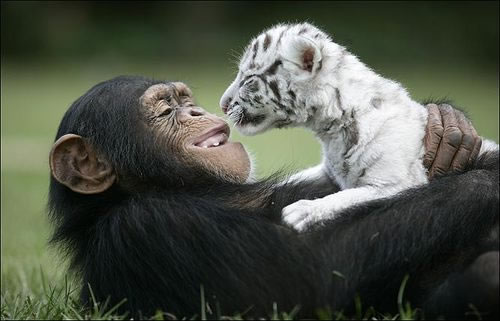
But then, what is true altruism? Is it possible? True Altruism is known as Psychological Altruism. With true altruism, the altruist gives, expecting nothing-nothing- in return. The Altruist gives out of the goodness of their heart. I believe it does exist. However- it is definitely not influenced by genes.
Norms, Values, Culture, and Socialization are the true producers of the altruistic individual. Norms are the rules defining appropriate behavior, and values are what culture determines to be good traits. If a person believes that donation, helping others, and otherwise being altruistic, then that person is more likely to be and act altruistically. It is their beliefs and values that make a person act altruistically.
Socialization is also a major factor. A friendly, socialized person is more likely to help others than a sociopath or hermit. If a person grows up in a good, giving environment then that person will be more likely to grow to become a good, altruistic person than a person who was abused or isolated from society. A person who follows religion that encourages altruism will also in turn act more altruistically.
People are not slaves to their genes- they have free will. Just because a person has the instinct to care for children, doesn’t mean they will. They could abuse them. The same goes for altruism. A person could have the COMT-Val gene, but they may be no more altruistic than any other. It is the beliefs, values, and environment that make a person truly, truly, altruistic.

Essay (c) Maranda L. Scott
Photos (c) their respectful owners.

No comments:
Post a Comment